
Space Debris
Are humans polluting space too?

As we venture further into space, our activities have inadvertently left a trail of debris orbiting our planet. Space debris, also known as space junk, poses a significant challenge to future space exploration and satellite operations. Why are space debris an issue? Should we be worried? What causes an increase in space debris?
Why are space debris relevant?
Over the past six decades of space exploration, countless rockets, defunct satellites, and fragments from collisions have accumulated in Earth's orbit. The European Space Agency estimates that there are approximately 30’000 objects larger than 10 cm, and 670’000 objects larger than 1 cm hurtling through space (ESACleanSpace). The greatest risk to space missions is usually from untracked debris between 1 and 10 cm in size. Larger pieces can be tracked and then avoided, and the impact from smaller pieces is usually survivable.
The impact
Space debris presents a serious threat to both operational satellites and human space exploration. The average speed of any object in LEO is approximately 28’000 kilometers per hour. At these speeds, even a small fragment can cause catastrophic damage to an active satellite (or to the ISS). Collisions with space debris can lead to the destruction of vital communication networks, and weather forecasting systems, and even jeopardize astronaut safety.
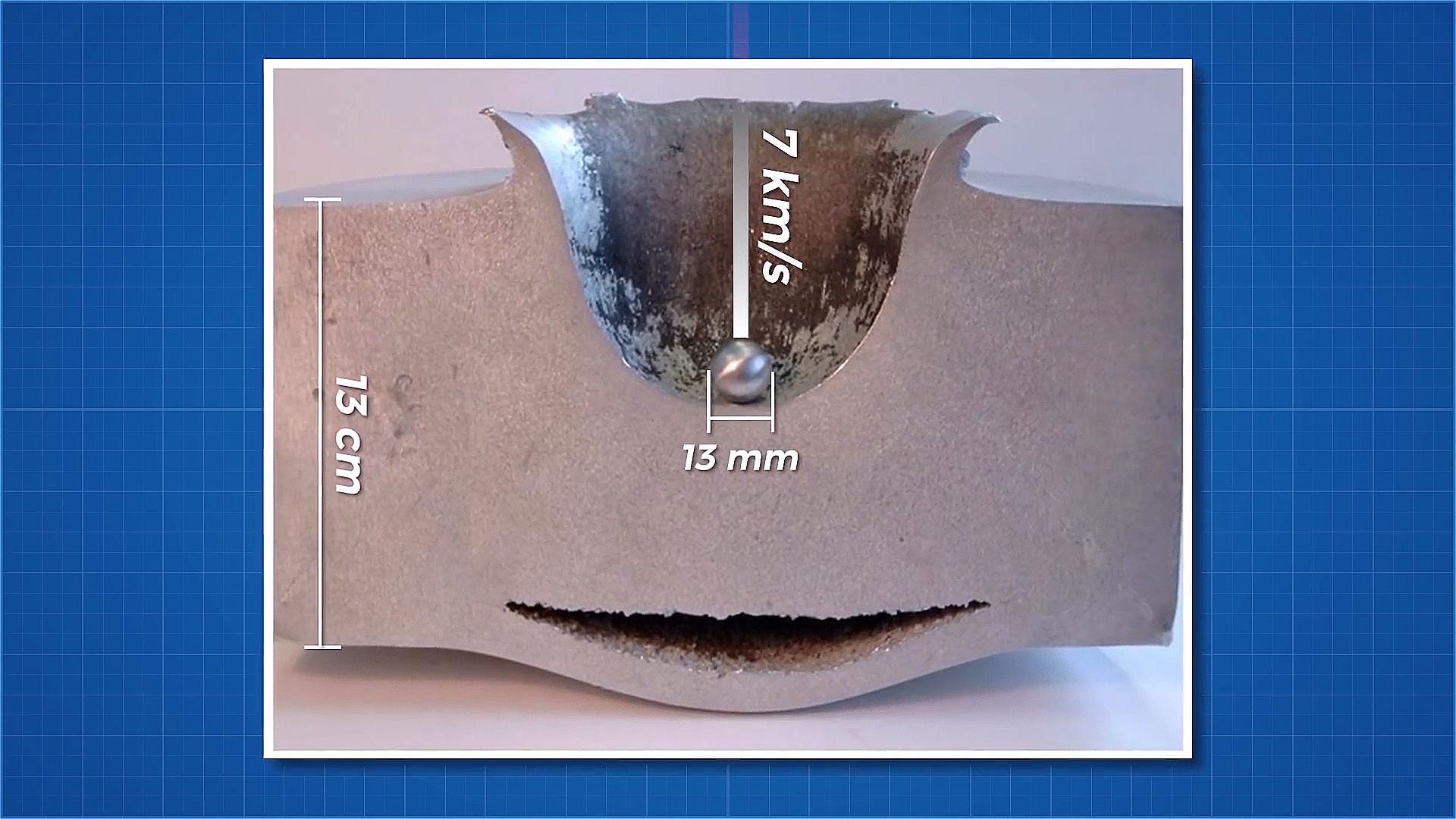
The Kessler Syndrome, proposed by NASA scientist Donald J. Kessler in 1978, suggests that the sheer quantity of space debris may eventually reach a point where collisions become self-sustaining. Each collision generates more debris, increasing the chances of further collisions, and potentially rendering certain regions of space unusable. Such a scenario would severely impede future space missions, including the deployment of satellites, space telescopes, and crewed missions.
Some basic concepts
Before delving into the topic of space debris, it's useful to explain a few concepts: which main orbit categories exist? Where are most satellites located? Which disposal strategies exist? This section will provide a brief overview. If you have a good knowledge of satellite orbits and operations, feel free to jump to the next section “Increase of space debris”.
Orbital heights
Satellites are deployed in different orbits depending on their intended purpose.
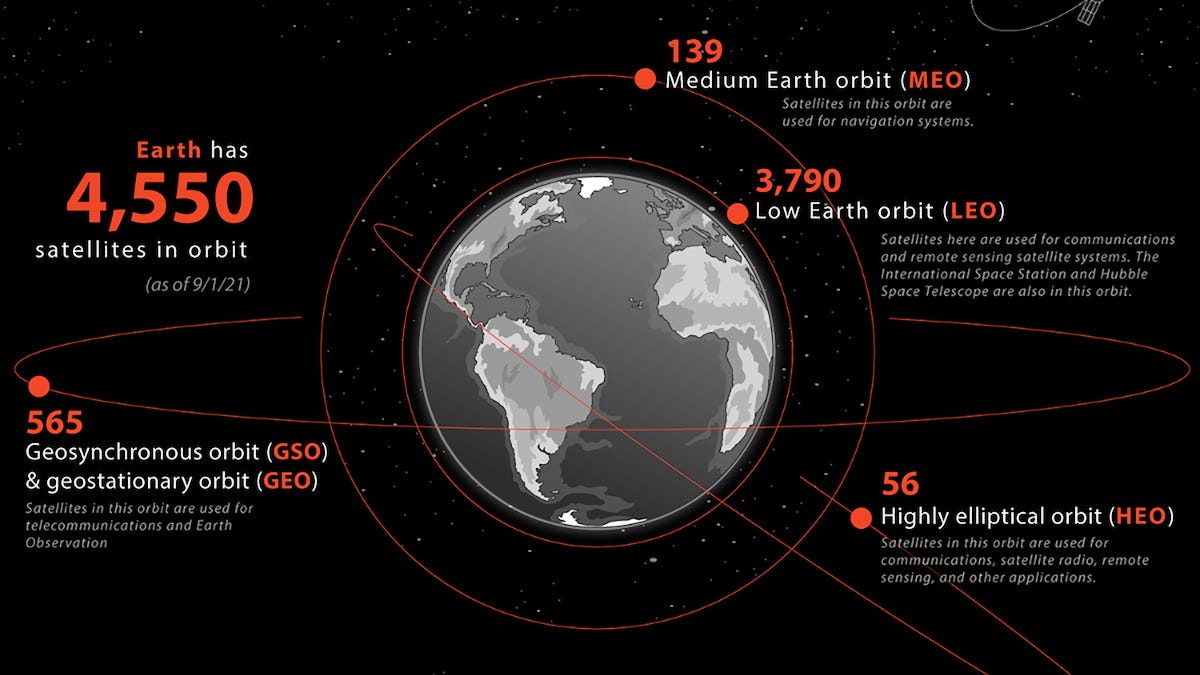
Low Earth Orbit (LEO) is the closest to Earth, ranging from a few hundred to 2’000 kilometers in altitude. Here is where the vast majority of satellites are. As an example, the International Space Station (ISS) is at around 400km of altitude. Objects in LEO orbit the earth in 90-120 minutes with a velocity of around 7 km/s. Since LEO is the closest to earth, it is also the one where air drag is the most relevant. Even though the air density is much smaller than at sea level, it is still able to slow down a satellite enough over time, in a period ranging from a few weeks to a few decades, depending on orbit altitude and object. When a satellite is slowed down enough, it re-enters the thicker parts of the atmosphere and it burns up, leaving nothing behind. More about this will follow in the section on disposal strategies.
Medium Earth Orbit (MEO) lies between LEO and GEO. It is not used so often because it does not give the advantages of LEO (easier launch), and neither that of GEO (geosynchronous). Further, in MEO there are usually more intense radiations (see Van Allen radiation belts).
Geostationary Orbit (GEO)1, is approximately 35’7862 kilometers above the equator3. GEO is interesting because the orbital period is of around 24 hours. This means that a satellite in GEO always follows the same point on Earth. Hence, satellites there have a much smaller orbital velocity, compared to LEO, of around 3 km/s.
Each orbit serves specific functions, such as Earth observation, communication, and navigation. The figure below provides an overview of the active satellites in orbit. Debris are not shown.
Satellite life phases
The life of a satellite usually consists of three main phases:
Launch: A rocket is launched and releases multiple satellites at their target orbits. Thanks to complex deployment mechanisms, a single launch can deploy dozens of satellites in slightly different orbits.
Operations: The satellite is operated. The lifetime can generally vary between a few months and a few decades. The operation phase generally includes small adjustment maneuvers which have to be performed by the on-board propulsion system, in order to maintain the right position. Due to different effects (solar pressure, Earth oblateness, air drag, etc.), the satellite would otherwise slowly drift and change position over time, leaving its operational orbit.
Disposal: This last step is not always performed, especially during the first years of space exploration. A satellite reaching its end of life can just be left floating in space at its operational orbit, but this creates a big risk of collisions with future satellites. Hence, responsible disposal strategies are employed to mitigate these risks of debris accumulation.
Disposal strategies
The following provides an overview of the three most common disposal strategies.
De-orbiting is a common approach where satellites use their propulsion systems (or simply drag if the orbit is already low enough) to lower their altitude, allowing them to re-enter Earth's denser atmosphere and burn up. This minimizes the risk of debris reaching the Earth's surface. Isn’t it bad to just burn up things in the atmosphere? Well, this was covered by different studies which showed that the effect on climate change of re-entry burn-up, even in the worst-case scenarios considered, is essentially completely negligible (ReEntryBurnUpStudies).
For satellites in higher orbits like GEO, a common strategy is to move them to a graveyard orbit after their operational lives. These retirement orbits are designated regions where retired satellites and space debris are intentionally moved. This stable orbit above the GEO belt reduces collision risks and minimizes debris creation.
Passivation is another strategy, involving depleting a satellite's remaining fuel and releasing stored energy to render it inert. This mitigates the risks associated with uncontrolled or accidental explosions in orbit.
Increase of space debris
The escalating number of space debris is a result of several factors:
Overall growth in satellite launches: If before 2010 there were less than 1’000 active satellites, as of May 2023 there are almost 8’000. It is also for this reason that SpaceX and OneWeb, the two companies with the largest number of satellites in orbit, pledged to de-orbit all their satellites at the end of their operational life. More launches also mean more remnants of space missions, such as spent rocket stages and, with time, inactive satellites if they are not disposed.
Collisions: Those can take place between any object in orbit (active or inactive satellites, space debris, etc.). Since space debris larger than a few cm can usually be tracked (the minimum size depends on the orbit), warnings of possible imminent collisions can be issued. For example, the ISS has a defined probability threshold of 1/ 10’000. If any object is expected to collide with the ISS with a probability above that, a collision-avoidance maneuver is performed. During the first years of the ISS, one maneuver per year was performed. In 2011, it was already closer to 6 maneuvers per year (NASAOrbitalDebrisNews). Even a 1 cm debris, could cause severe damage to the shield of the ISS. Clearly, these avoidance maneuvers can only be performed by satellites with a propulsion system, which is not the case for all satellites in orbit. After a collision, debris can spread out over a large range of altitudes (even up to one hundred km around the orbit of the object).
Unwanted explosions: these can generally happen due to batteries malfunctioning, or due to propellant left in the tanks of the spacecraft.
Anti-satellite weapons (ASAT): ASAT missiles are missiles launched from Earth designed to destroy satellites for strategic or tactical purposes. The only countries to conduct ASAT tests so far are the USA, Russia, China, and India. Interestingly, these tests often involve targeting the country's own satellites. This practice allows nations to showcase their technological capabilities and assert their strength and power in space.
Why are ASAT tests a thing?
Satellites play a crucial role in defense and security. In the realm of nuclear deterrence, satellites equipped with advanced sensors enable early detection of missile launches, providing critical warning time for potential targets to initiate necessary defensive measures. This is only an example, but there are dozens more related to secure and real-time communication of military forces, monitoring activities of adversaries, surveillance and reconnaissance, etc. The fact that the U.S. Space Force was established in 2019 (the first new branch of the armed services since 1947) is a testament to the growing relevance of space in the defense sector. And ASAT tests are, simply put, a show of strength, like all the missile tests performed each year in the middle of the sea.
How are space debris tracked and monitored?
Efforts to track and monitor space debris are crucial for ensuring the safety of operational satellites and spacecraft. Tracking systems, such as radar and optical telescopes, are employed to identify and catalog space debris. For example, the United States Space Surveillance Network (SSN) constantly monitors the trajectories of thousands of known objects in space.
In recent years, advances in tracking technology and data analytics have improved our ability to identify and track smaller debris. These systems help provide early warnings of potential collisions, allowing satellite operators to perform avoidance maneuvers to safeguard their assets.
A closer look at the numbers
If we take a closer look at the number of objects tracked, we notice a few interesting things: while spacecrafts, rocket bodies, and mission-related debris see steady but controlled growth, the line of fragmented debris clearly shows sudden jumps.
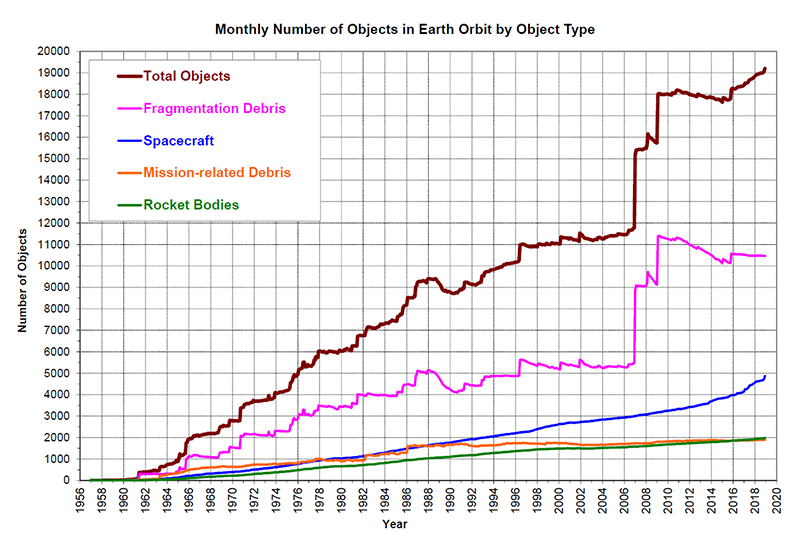
Notable increases in debris, with more than 500 pieces of trackable debris recorded, corresponding to:
1986, 506 pieces, residual propellant explosion: SPOT 1 rocket body
1996, 756 debris, residual propellant explosion: STEP 2 rocket body
2007, 3549 debris, ASAT test: performed by China on its Fengyun-1C satellite
2008, 511 debris, end-of-life self disintegration: Kosmos 2421
2009, 2375 debris, accidental collision: between Kosmos 2251 and Iridium 33
2021, 1652 debris, ASAT test: (not shown in plot) performed by Russia on its inactive Kosmos 1408 satellite. The event triggered an alarm procedure on the ISS. The seven astronauts and cosmonauts aboard were instructed to retreat to their spacecraft ready for a possible evacuation should the ISS be struck. ISSwarn
It should be noted that all these notable debris formations took place in LEO. A more complete list is available on Wikipedia, List of space debris-producing events.
Additional challenges
In the introduction, we saw how most satellites are located in LEO. Hence, as expected, many notable accidents happened in LEO. However, there is an additional challenge that mostly applies to GEO: the orbit has to be very close to the previously mentioned 35’786km of altitude in order to maintain a fixed position with respect to the ground. Satellites in LEO can change their altitudes by dozens of km with little effect on their mission. A satellite in GEO decreasing its altitude by 10 km, would cause a shift of the satellite over a period of one month equal to the distance Paris-Munich. I guess that Les Parisiens are not interested in getting the weather forecast for Bavaria instead of theirs. This means that every satellite operator tries to put their satellites as precisely as possible in the GEO region, which is getting overcrowded over time. This is why GEO is considered a hot spot in terms of debris, as there are no other orbits which such characteristics.
Conclusion - What does the future hold?
Regulations
With the improvement of tracking and maneuvering techniques, the probability of accidental collisions decreases. However, with 2 of the 3 events with the most debris generated being ASAT tests, it is clear that more regulations are needed. Last year, US Vice President Kamala Harris announced that the United States government is committed to ending the practice of anti-satellite missile tests, urging other nations to follow (USAendingASAT).
Additionally, international guidelines and regulations have been established to promote responsible space operations. For instance, the Inter-Agency Space Debris Coordination Committee (IADC) provides recommendations on spacecraft design, disposal practices, and collision avoidance measures.
Time decay
A positive point is that the number of space debris tends to decrease over time if no new collisions take place, as some debris decay and burn up. As we saw, most satellites (and hence space debris) are in LEO, where they can usually decay and burn up more quickly. However, it is clear that the space debris strategy should not count on this, mainly because above certain heights, the orbit decay to re-entry can easily take hundreds of years.
Active debris removal
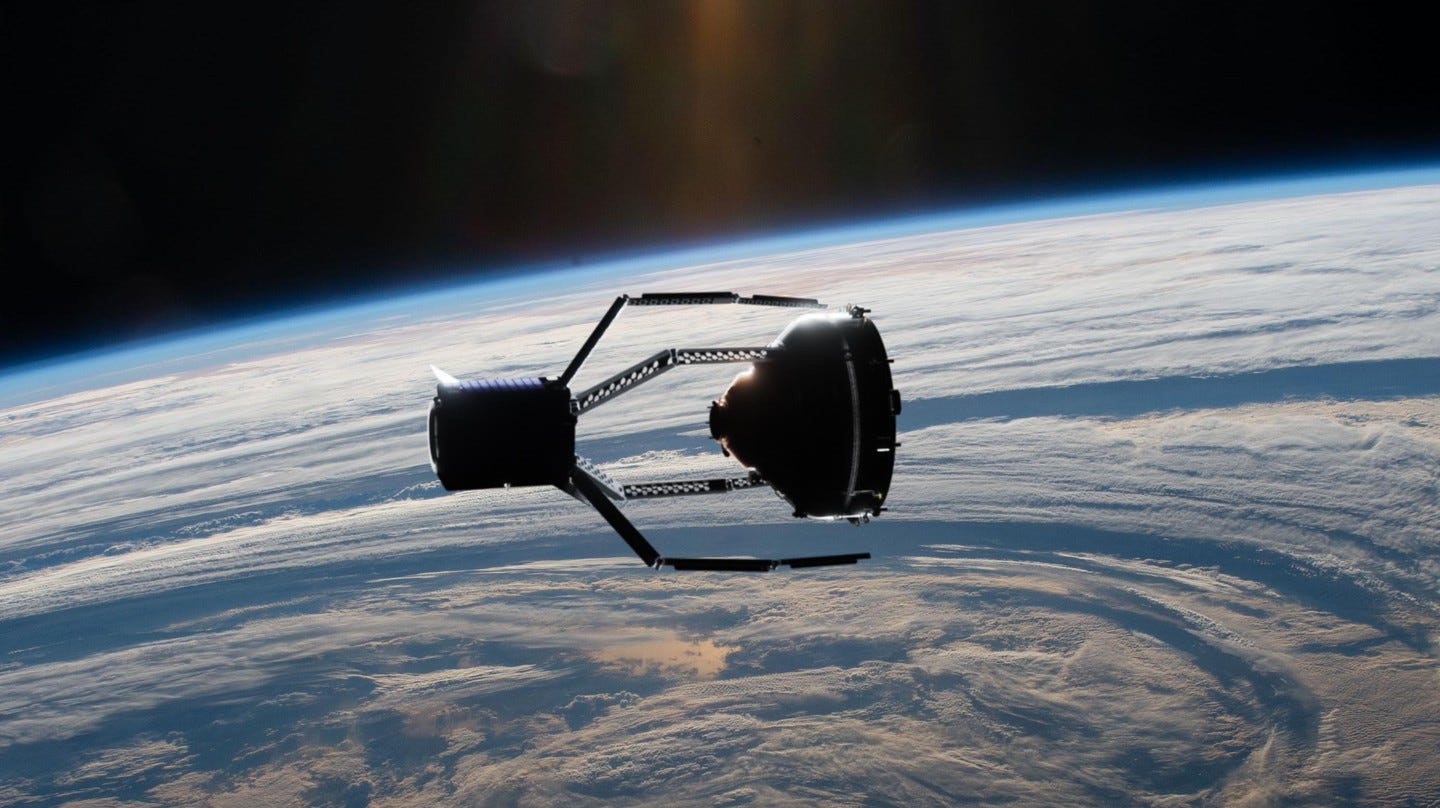
Several initiatives are also underway to actively remove space debris from orbit. Concepts like space-based robotic systems and large nets to capture debris are being explored. One such project, ClearSpace, based in Lausanne, has a first mission planned in 2025 for the removal of a 100 kg space debris, and the launch contract was already signed in May 2023 (ClearSpace-1).
Final words
Overall we believe that ASAT tests should be prohibited as the debris caused can affect any object in orbit without distinction, and not only those of the space powers involved. Further, spacecraft and mission design laws (rather than guidelines only) should be established. And finally, active space debris removal missions should be launched to test the technology. Every old piece of space junk removed decreases the possibility of a collision which could generate thousands of debris.
Bibliography
When we say GEO, here we also mean GSO. We decided to put them together in a single category and just call them GEO to simplify the explanation.
Why exactly 35’786km? This value can be calculated using a formula from orbital mechanics, namely
where r is the radius, G the universal gravitational constant, M_E the mass of the earth, and T the target orbital period (24 hours for GEO). The results is 42’164 km. Subtracting the radius of the earth at the equator (6378km), we get 35’786 km.
LEO and MEO are wide ranges of altitudes (200-2000 km for LEO, and 2000+ for MEO), while GEO is usually very close to an altitude of 35’786 km. This is because in order for an object to have an orbital period of 24 hours, the altitude has to be quite close to 35’786 km. If the altitude was say 35’000km, the orbital period would only be of 23 hours and 15 minutes, so the satellite would not follow the exact same point on Earth, but slowly “drift” forward instead since it’s rotating faster than the point on earth.